24/7 Fire Damage Restoration in Oklahoma City With Direct Insurance Billing
A house fire in Oklahoma City rarely stops when the flames go out. The water firefighters used is already soaking into drywall, insulation and crawlspaces, and OKC's humidity gives mold roughly 24 to 48 hours to take hold. Meanwhile, acidic soot starts etching fixtures, granite and electronics, and south winds keep pushing smoke odor deeper into the house. OKC Fire Damage Restoration Experts answers around the clock, any day of the year. We board up and secure your property, start drying right away, and bill your insurance company directly, so you don't have to cover restoration costs while your claim is processed.
We're a local crew, not out-of-state storm chasers. We know the balloon-framed Tudors in Heritage Hills and Mesta Park, the post-war brick ranches around Tinker AFB in Midwest City and Del City, and the open-plan tract homes going up in Edmond and Moore. Each era burns differently and each one needs its own restoration plan. From grass-fire smoke on the Choctaw and Piedmont edges to kitchen fires in Quail Creek, one team handles the whole job, from the first board-up to the final walkthrough.
- ✓24/7/365 emergency response
- ✓Direct insurance billing and adjuster coordination
- ✓Bonded and insured
- ✓Financing available
- ✓Serving a 20-mile radius around Oklahoma City
- ✓One local team from board-up to rebuild
Request Your Free Estimate
No obligation. Fast, honest quotes.
Thank you — your request was sent!
A member of the OKC Fire Damage Restoration Experts team will reach out shortly. Need help now? Call (405) 987-3711.
Why Oklahoma City Homes Need Fast, Specialized Fire Restoration
Oklahoma City's weather, housing stock and regulations all affect how a fire spreads, how much damage it leaves and how hard cleanup gets. A restoration plan that works in Phoenix or Boston can miss problems that come standard here, like red clay foundation cracks and Red Flag wind days.
Wind, Drought and Humidity: A Climate That Speeds Up Damage
OKC gets about 36 inches of rain a year, but it comes in bursts. In between, the grass dries out into fuel. From February through April, low humidity and steady south-southwest winds of 15–30 mph bring Red Flag days and county burn bans. Wind-driven fires have reached homes again and again: around Midwest City and Choctaw in 2009, north of Edmond in 2014, and across the state in March 2024. Winter has its own risks. Cold snaps like February 2021 put space heaters, wall furnaces and fireplaces to hard use, and frozen pipes can add water damage on top of fire damage. Then summer humidity turns firefighting water into a mold problem within 24–48 hours. Expansive red clay soils also shift foundations and open cracks that let smoke and soot into wall cavities.
Every Housing Era Burns Differently
Pre-1940 homes in Heritage Hills, Mesta Park, Crown Heights and Edgemere Park have balloon framing. Those open wall cavities carry fire and smoke straight between floors, and the plaster-and-lath walls and old wiring make things more complicated. Post-war ranches from 1945 to 1965 in Del City, Midwest City, Warr Acres, Bethany and The Village often have Federal Pacific or Zinsco panels and possible asbestos in tile, popcorn ceilings and joint compound. Tract homes from the 1970s through the 2000s in Edmond, Moore and the Quail Creek and Gaillardia areas tend to have vaulted ceilings and gas fireplaces. Newer builds in Deer Creek, Piedmont and Choctaw use engineered I-joists and trusses that fail faster in a fire. Their open floor plans also let synthetic-contents soot spread through the whole house.
Permits, Historic Districts and HOA Rules
After a fire, structural, electrical, plumbing and mechanical repairs in OKC need permits through the Development Services Department, and the trades must be licensed by the Construction Industries Board. Edmond, Moore, Midwest City, Nichols Hills and every other suburb run their own inspections. Pre-1980 materials have to be tested for asbestos under Oklahoma Department of Labor and NESHAP rules before demolition, and pre-1978 paint falls under EPA's lead-safe RRP rule. In Heritage Hills, Paseo, Jefferson Park and the other historic districts, exterior repairs need a Certificate of Appropriateness and have to match the original materials. Nichols Hills enforces strict design standards, and many Edmond and Moore HOAs control exterior materials and where dumpsters can go.
A Sprawling Metro of Homeowners
Oklahoma City covers more than 600 square miles, and the metro has about 1.4–1.5 million people. Homeownership is high, so for most families the house is their biggest asset and the insurance claim really matters. Nichols Hills estates need specialty care for fine finishes and contents. Long-time owners in the inner-ring suburbs need clear guidance without pressure. Tinker AFB families, including renters and recent transfers, often need fast decisions on temporary housing.
Common Fire Damage Problems We See Across Oklahoma City
Most fires do more damage than you can see. Here are the problems we run into most across the metro, why Oklahoma conditions make them worse, and the signs that mean you shouldn't wait. Many of them show up on the same job, often within hours of each other.
Firefighting Water Saturation and Fast Mold Growth Emergency
Fire hoses can put thousands of gallons into a home. That water soaks into drywall, insulation, subfloors and crawlspaces, and once it sits inside wall cavities you have a second disaster: mold growth, rotting wood and weakened framing on top of the fire damage itself.
Why it's common hereOklahoma's humid summers and warm shoulder seasons let mold start growing in wet building materials within 24 to 48 hours. Pier-and-beam homes in Del City, Warr Acres and the older parts of south OKC hold water in their crawlspaces. The balloon-framed houses in Mesta Park and Heritage Hills channel water down open wall cavities from the second floor to the first. Winter fires can come with frozen-pipe leaks too, which means even more water and more wet materials to dry.
Signs you'll notice- Damp or sagging drywall and ceilings
- Musty odor developing within a day or two
- Standing water in the crawlspace
- Cupping or buckling hardwood floors
- Peeling paint or bubbling wall surfaces
- Rising indoor humidity after the fire
We see this most in pier-and-beam homes in older south OKC, Capitol Hill and Del City, and in two-story historic homes where water runs through open framing. After winter fires there's often frozen-pipe damage as well.
Our fix: Immediate water extraction, moisture mapping, commercial dehumidifiers and air movers, removal of saturated insulation, and antimicrobial treatment to stop mold before it spreads into the structure.
Acidic Soot Corrosion Serious
When plastics, foams and synthetic fabrics burn, they leave an oily, acidic soot. It doesn't just sit on surfaces. It chemically etches metal, stone, glass and electronics, and the damage becomes permanent within days if nobody cleans it properly.
Why it's common hereNewer homes in Edmond, Moore, Piedmont and Deer Creek are full of synthetic furniture, electronics and engineered finishes, and they produce exactly this kind of soot. Open floor plans let it travel from a kitchen fire to every room in the house. Granite counters, stainless appliances and chrome fixtures, which are standard in metro tract homes from the 1990s on, start pitting and discoloring quickly. Oklahoma's humidity speeds up the chemical reaction.
Signs you'll notice- Dark, greasy film on walls and ceilings
- Yellowing or pitting on chrome and stainless steel
- Hazy or etched glass and mirrors
- Electronics failing days after the fire
- Smudges that smear when you wipe them
- Discolored grout and stone
This shows up most in open-plan homes from the 2000s and later in Edmond, Moore, Deer Creek and Choctaw subdivisions. Kitchen fires, the most common residential cause, can spread soot throughout these houses within minutes.
Our fix: Fast soot testing, dry-sponge and chemical cleaning matched to the residue type, neutralizing treatments for metals and stone, and pack-out of electronics for specialty cleaning.
Smoke Odor Trapped in Walls and HVAC Moderate
Smoke molecules get into porous materials, insulation, ductwork and framing. Surface cleaning won't touch them. The odor comes back on humid days or whenever the HVAC kicks on, long after the visible damage looks fixed.
Why it's common hereRed clay soils shift slabs and pier-and-beam foundations, opening cracks that pull smoke into wall assemblies. Strong south winds push smoke into neighboring units in duplexes and older apartment complexes. Grass fires on the metro edges send smoke and ash into homes that never burned at all, and that fine ash gets drawn into HVAC returns and spread through the ducts.
Signs you'll notice- Smoky smell that returns when the AC or heat runs
- Odor stronger on humid days
- Gray dust coming from supply vents
- Smell lingering in closets and fabrics
- Neighbors' units smelling of smoke
- Headaches or irritation indoors
Common after wildland fires near Choctaw, Piedmont, north Edmond and Midwest City, and in older multifamily buildings across Midtown and northwest OKC where units share walls and attic spaces.
Our fix: Source removal, HVAC and duct cleaning, sealing of affected framing, and odor neutralization with thermal fogging, hydroxyl or ozone, depending on whether the home is occupied.
Structural Weakening of Framing, Trusses and Roofs Emergency
Fire chars joists, rafters, studs and roof decking, and it reduces how much load they can carry. Engineered trusses and I-joists can lose strength fast even when they look fine, which makes the structure unsafe to occupy or repair until it's been assessed.
Why it's common hereConstruction since 2000 in Edmond, Moore, Piedmont and Choctaw relies on engineered lumber that fails faster under heat than the old dimensional framing. Lightning strikes during spring storms ignite attics, damaging roof systems from the top down. OKC's tornado and hail history also means a fire-weakened roof can be hit again by the next storm, letting rain into an already compromised structure.
Signs you'll notice- Sagging roofline or ceilings
- Charred or blackened rafters in the attic
- Soft or bouncy floors
- Cracks in drywall near load points
- Doors and windows that stick after the fire
- Visible holes in roof decking
Attic fires from lightning in Quail Creek and Gaillardia, garage fires in attached-garage ranches around Tinker AFB, and fast truss failures in newer subdivisions across Moore and Piedmont.
Our fix: Immediate shoring and tarping, structural assessment, removal of compromised members, and permitted reframing and roofing through registered and licensed trades.
Hazardous Materials Disturbed by Fire Serious
Fire and firefighting can break apart materials containing asbestos and lead-based paint. Once damaged, these materials release fibers and dust that are dangerous to breathe and are strictly regulated during cleanup and demolition.
Why it's common hereA lot of the metro was built before 1980. Post-war homes in Del City, Midwest City, Warr Acres, Bethany and The Village often contain asbestos in floor tiles, popcorn ceilings, duct wrap and joint compound. Historic homes in Heritage Hills and Crown Heights often have lead paint. Oklahoma Department of Labor rules, NESHAP and EPA's RRP rule require testing and controlled removal, so demolition moves slower and has to be handled correctly.
Signs you'll notice- Home built before 1980
- Damaged 9x9 floor tiles or popcorn ceilings
- Crumbling duct insulation
- Flaking paint on original trim or siding
- Fire-cracked plaster walls
- Old textured drywall finishes
Concentrated in the 1945–1965 ranch neighborhoods near Tinker AFB, Warr Acres and The Village, and in pre-1940 homes throughout the historic districts.
Our fix: Testing before demolition, containment, and coordinated abatement under state and federal rules, followed by lead-safe work practices during restoration.
Electrical System Damage Serious
Heat, smoke and water damage wiring insulation, outlets and panels. That creates hidden shock and re-ignition hazards, even in rooms the fire never reached.
Why it's common hereElectrical fires are a leading cause of house fires in the metro's older housing. Federal Pacific and Zinsco panels still turn up in post-war homes, and pre-1940 houses may still have knob-and-tube or patched-together wiring. Firefighting water running through walls makes it worse. Oklahoma requires licensed electricians and permits for all of these repairs.
Signs you'll notice- Breakers tripping repeatedly
- Scorched outlets or switch plates
- Flickering lights
- Burning plastic smell
- Dead circuits after the fire
- Water stains near the panel
Most common in post-war ranches across Del City, Midwest City and northwest OKC, and in historic homes in Mesta Park and Edgemere Park with original or modified wiring.
Our fix: Power disconnection, inspection by licensed electricians, permitted rewiring or panel replacement, and coordination with city inspectors before the power is restored.
Light Smoke Residue From Small or Nearby Fires Minor
A contained stovetop flare-up, a furnace puff-back or a neighbor's fire can leave a thin film of residue and a faint odor. It looks minor, but it can discolor finishes and fabrics if you leave it.
Why it's common hereKitchen fires are the most common residential cause in OKC, and most are put out fast. Winter puff-backs from older gas heaters and wall furnaces are common during cold snaps. In duplexes and apartments, wind pushes smoke from one unit into the next.
Signs you'll notice- Light gray film on ceilings above the stove
- Faint smoky smell
- Discolored window blinds
- Dingy curtains and upholstery
- Soot webs in corners
Shows up in apartments across Midtown and Bricktown, in duplexes in older northwest OKC, and in homes with older gas heat in Capitol Hill and Del City.
Our fix: Targeted surface cleaning, upholstery and drapery cleaning, HVAC filter replacement and spot odor treatment, which is often finished in a day or two.
Our Fire Damage Restoration Services
Each service below targets a specific kind of damage, but most Oklahoma City fires involve several at once. We coordinate all of them under one project, so you're dealing with one local team, one point of contact and one claim file instead of juggling contractors while your family is displaced.
Fire Damage Restoration ⭐ Specialty
We manage the whole recovery, from emergency board-up and roof tarping to the final repairs. You get one team, one plan, and an estimate written to work alongside your insurance adjuster's documentation from the start.
Our approachWe document everything with photos and moisture readings, secure the structure, pack out contents for cleaning or secure storage, then sequence mitigation, cleaning and reconstruction so no step undoes another and the claim stays clear.
In Oklahoma City, OKWe plan around OKC's permitting offices, historic-district Certificate of Appropriateness requirements in Heritage Hills and Paseo, Nichols Hills design standards, and HOA rules in Edmond and Moore subdivisions. That way repairs pass inspection the first time and reconstruction doesn't stall.
Best for: Homeowners and businesses facing moderate to major fire losses who want one accountable local contractor handling everything from emergency response to the final walkthrough.
Smoke Damage Remediation
We find where smoke has traveled, including inside walls, attics, ductwork and contents, and remove the odor at its source instead of covering it up with fragrance.
Our approachWe remove affected materials, clean and seal framing, clean the HVAC system and ducts, and deodorize with thermal fogging, hydroxyl generators or ozone. The method we pick depends on the residue and on whether people or pets are staying in the home.
In Oklahoma City, OKWhen grass fires hit Choctaw, Piedmont or north Edmond, dozens of homes that never burned fill with smoke and ash. We also handle wind-driven smoke in shared-wall duplexes and apartments across northwest OKC.
Best for: Homes with lingering odor, wildfire smoke infiltration, HVAC contamination, or smoke from a neighboring unit or nearby fire.
Soot Removal & Surface Cleaning
We test the residue, clean soot off walls, ceilings, cabinets, fixtures and contents, and neutralize acidic residue before it permanently etches metal, stone, glass and electronics.
Our approachWe use dry chemical sponges, HEPA vacuuming, and wet cleaning matched to the residue type (dry, oily or protein), plus specialty cleaning for electronics, artwork, fabrics, wood paneling and fine finishes.
In Oklahoma City, OKOpen-plan homes in Edmond and Deer Creek spread synthetic soot quickly, and Nichols Hills estates often have libraries, art and custom millwork that need careful hands. Speed matters most here, because acidic residue does permanent damage within days.
Best for: Kitchen fires, contained room fires, puff-backs, and any home where soot has reached fixtures, stone counters, electronics or valuable contents.
Structural Fire Restoration ⭐ Specialty
We stabilize and rebuild fire-damaged structures: framing, trusses, roofing, drywall, plaster, flooring and finishes. The goal is pre-loss condition with permitted, code-compliant work.
Our approachShoring and temporary protection, testing for asbestos and lead before demolition, removal of charred members, then permitted reframing and finish work through licensed electrical, plumbing and mechanical trades and registered roofers.
In Oklahoma City, OKWe know how fire moves through balloon framing in Mesta Park, how fast engineered trusses fail in Moore and Piedmont, and why historic homes need repairs that match the original materials. Every rebuild goes through the right city or suburban permitting office.
Best for: Fires that damaged framing, roofs or load-bearing elements, lightning-strike attic fires, and historic or high-value homes that need repairs matching the original.
Water Mitigation Services
We extract firefighting water, dry the structure and stop mold before it starts, usually within hours of the fire department releasing the property.
Our approachTruck-mounted and portable extraction, moisture mapping with meters and thermal imaging, commercial dehumidifiers and air movers, removal of saturated insulation, crawlspace drying, and antimicrobial treatment, with daily moisture readings logged for your claim.
In Oklahoma City, OKOklahoma's humidity gives you a 24–48 hour window before mold starts. We dry pier-and-beam crawlspaces in older south OKC and handle winter jobs where frozen-pipe leaks add to fire-suppression water.
Best for: Any fire where hoses or sprinklers were used, plus combined fire and frozen-pipe losses during Oklahoma cold snaps.
Our Fire Restoration Process, Step by Step
After a fire, knowing what comes next takes a lot of the stress out of it. Here's how a typical Oklahoma City restoration goes, from your first call to moving back home.
Emergency Call and Rapid Dispatch
- A live person answers, day or night
- We get basic details about the fire, safety and access
- We dispatch a crew with board-up and extraction equipment
- We tell you what to bring and what to leave behind
Local note: OKCFD or your suburban fire department controls the scene until they release it. We coordinate timing with them so we can start the moment it's safe.
Securing the Property and Stopping Further Damage
- Board-up of windows and doors, plus roof tarping
- Shoring of compromised framing
- Water extraction and placement of drying equipment
- Utility shutoffs and hazard checks
Local note: Your insurance policy requires you to prevent further damage. Fast board-up also protects against the spring storms and high winds that are common in central Oklahoma.
Assessment, Documentation and Insurance Coordination
- Room-by-room photos and moisture mapping
- Asbestos and lead testing in pre-1980 homes
- An itemized scope and estimate prepared for your adjuster
- We meet your adjuster on site and bill the carrier directly
Local note: Under Oklahoma insurance rules, you have the right to choose your own restoration contractor. We work with your adjuster, or with your public adjuster if you've hired one.
Cleaning, Deodorizing and Contents Care
- Contents pack-out to secure storage
- Soot cleaning and acidic residue neutralization
- HVAC and duct cleaning
- Odor removal through fogging, hydroxyl or ozone
- Demolition of materials that can't be saved
Local note: After a large grass fire there's huge demand for crews and storage. Calling early gets you on the schedule sooner.
Reconstruction and Final Walkthrough
- Permits pulled through OKC or your suburb's office
- Reframing, electrical, plumbing and roofing by licensed and registered trades
- Drywall, plaster, flooring, paint and finishes
- Inspections, contents return and a final walkthrough with you
Local note: Historic districts need a Certificate of Appropriateness, and HOAs in Edmond and Moore may need to approve exterior materials and dumpster placement. We build that into the schedule.
Why Oklahoma City Property Owners Choose Us
24/7 Emergency Response Built Around the Mold Clock
Fires don't wait for business hours, and neither does secondary damage. Within 24–48 hours in Oklahoma's humidity, mold can start growing in soaked drywall and crawlspaces, and acidic soot starts etching fixtures and electronics within days. That's why we answer around the clock, nights, weekends and holidays included, and roll out with board-up, tarping and extraction equipment ready to go. The faster we stabilize your property, the more we can save, the less you'll have to replace, and the smoother your insurance claim tends to go.
Direct Insurance Billing, So You're Not Fronting the Cost
Most Oklahoma City homeowners have been through a hail or tornado claim, and they know how draining the paperwork is. We handle the hard parts: detailed photo documentation, moisture logs, itemized estimates your adjuster can review, and meetings with your adjuster on site. Then we bill your insurance carrier directly. You're responsible only for your deductible and anything outside your coverage. We'll also remind you that Oklahoma law lets you pick your own contractor, so you never have to accept whoever the carrier suggests.
Local Knowledge of OKC Homes, Districts and Permits
We're not storm chasers who show up after a disaster and leave once the checks clear. We know balloon framing in Heritage Hills, asbestos-era ranches near Tinker AFB, engineered trusses in new Piedmont subdivisions, and the open floor plans common in Edmond. We know which permitting office handles each suburb, when a Certificate of Appropriateness is required, and how Nichols Hills and HOA rules affect materials and scheduling. That local experience keeps your project moving and helps it pass inspection the first time.
Bonded and Insured for Your Protection
After a fire, the last thing you need is a contractor who leaves you exposed. OKC Fire Damage Restoration Experts is bonded and insured, so your property and your investment are protected while we work. Structural, electrical, plumbing and mechanical repairs are handled by appropriately licensed trades and permitted through the right city or suburban office, as Oklahoma's Construction Industries Board requires. You can ask for proof of our bond and insurance before we start.
One Team From Board-Up to Rebuild
Splitting a fire loss between a mitigation company, a cleaning company and a general contractor leads to gaps, finger-pointing and a claim nobody fully understands. We handle all of it: emergency securing, water mitigation, soot and smoke cleaning, contents pack-out, structural repair and finish work. You'll have one point of contact and one claim file, and every step follows a single plan so nothing gets redone or missed.
Fire Restoration Is All We Focus On
Fire jobs have their own problems: acidic soot from synthetic materials, odor trapped in framing, firefighting water in crawlspaces, engineered lumber that fails without warning, and hazardous materials knocked loose in older homes. Our services are built around exactly those problems. We match cleaning chemistry to the type of residue, pick deodorization methods based on whether the home is occupied, and test before demolition in pre-1980 homes, which protects your family and your claim.
Financing and Transparent Pricing
Insurance doesn't always cover everything. Deductibles, upgrades, uninsured outbuildings and underinsured losses can leave a gap. We offer financing to help cover what insurance doesn't. Our estimates are itemized line by line, so you and your adjuster can see exactly what's being done and why, with no vague lump sums. If something changes once we open up a wall, we'll explain it and document it before any extra work starts.
Trusted by Oklahoma City Families and Businesses
Oklahoma City homeowners value local businesses that show up, communicate honestly and stay through the whole job. That's the standard we hold ourselves to, from the first late-night call through the final walkthrough.
Bonded • Insured • Financing available
Fire Damage Restoration Throughout the Oklahoma City Metro
We cover a 20-mile radius around Oklahoma City, from historic urban neighborhoods to fast-growing acreage communities on the wildland edge. Wherever you are in the metro, a local crew can get to your property quickly, day or night.
Central Oklahoma City and Inner-Ring Suburbs
North and Northwest Metro
East and South Metro
We serve properties within roughly 20 miles of central Oklahoma City. If you're not sure whether you're in range, give us a call. We'll tell you right away and point you to a reliable option if you're outside our area. Not sure if we cover your area? Call (405) 987-3711.
How Much Does Fire Damage Restoration Cost in Oklahoma City?
Fire restoration costs vary a lot, from a few thousand dollars for light smoke cleanup to six figures for structural rebuilds. In most cases, homeowners insurance covers sudden, accidental fire damage, and we bill your carrier directly. These are the factors that drive the price.
Size and Severity of the Fire Primary Factor
How much of the home actually burned versus only took on smoke matters more than anything else. A stovetop fire contained to one kitchen wall is a cleaning job. A fire that went through the attic or a second floor means demolition, reframing and roofing. In open-plan homes common in Edmond and Moore, even a small fire can spread soot to every room, which makes cleaning a bigger job than the burn area suggests.
Water and Secondary Damage Primary Factor
Firefighting water often adds $2,500–$10,000 or more in extraction, drying and material removal. Getting a late start makes it worse. If drying starts after Oklahoma's 24–48 hour mold window, you may also be paying for mold remediation and more demolition. Pier-and-beam crawlspaces and combined fire and frozen-pipe losses in winter take extra equipment and more drying days.
Age of the Home and Hazardous Materials Major Factor
Pre-1980 homes in Del City, Midwest City, Warr Acres and The Village often need asbestos testing, which typically runs a few hundred dollars. If abatement is needed, it adds more. Pre-1978 homes need lead-safe work practices. Balloon-framed historic houses take more labor to clean and dry because smoke and water travel through the open wall cavities.
Finishes, Contents and Historic Requirements Significant Factor
In Nichols Hills homes, high-end finishes, custom millwork, art and libraries need specialty cleaning or replacement in kind. Historic-district homes in Heritage Hills or Paseo must use matching windows, siding and roofing, which costs more than standard materials. Contents pack-out and secure storage add to the cost depending on volume and how long things stay in storage.
Permits and Structural Scope Contributing Factor
Structural, electrical, plumbing and mechanical repairs need permits and licensed trades. Engineered trusses and I-joists often have to be replaced rather than repaired. Roofing has to be done by a registered contractor. Permit fees and inspection timelines differ between OKC and each suburb.
| Typical project | Details | Estimated range |
|---|---|---|
| Light smoke and soot cleanup | Contained stovetop fire or furnace puff-back in a 1,500 sq ft Warr Acres ranch: surface cleaning, HVAC cleaning, odor treatment | $2,500 – $7,500 |
| Kitchen fire with water damage | 2,200 sq ft Edmond open-plan home: cabinet and drywall removal, water mitigation, whole-house soot cleaning, deodorization, kitchen rebuild | $20,000 – $55,000 |
| Wildfire smoke infiltration, no burn | Choctaw or Piedmont home after a nearby grass fire: ash cleanup, duct cleaning, contents cleaning, thermal fogging or hydroxyl treatment | $4,000 – $15,000 |
| Major structural fire | Attic or garage fire in a 1950s Midwest City home or historic Mesta Park two-story: asbestos testing, shoring, reframing, roofing, rewiring, full interior rebuild | $80,000 – $250,000+ |
We offer financing to cover deductibles, upgrades or anything your insurance policy doesn't include. Fast, professional mitigation usually lowers your total claim, because it stops mold, corrosion and structural deterioration before they multiply the damage. Every day you wait can turn salvageable materials into replacements.
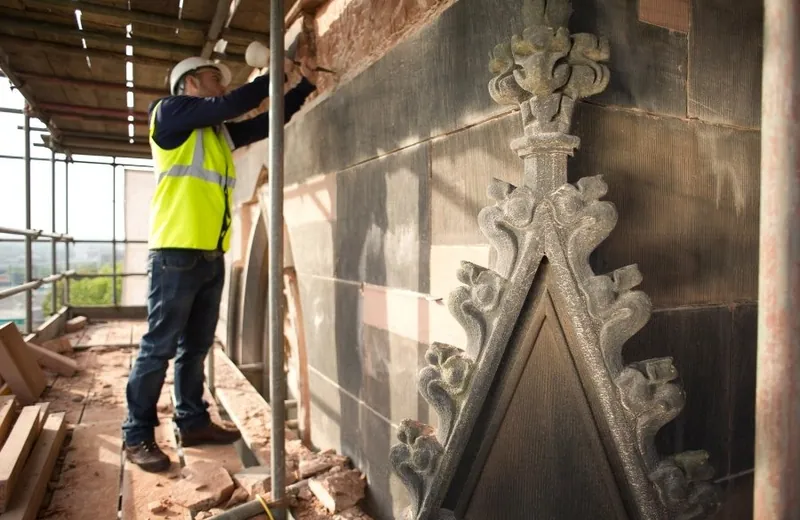
Recent fire-damage-restoration Projects in Oklahoma City, OK
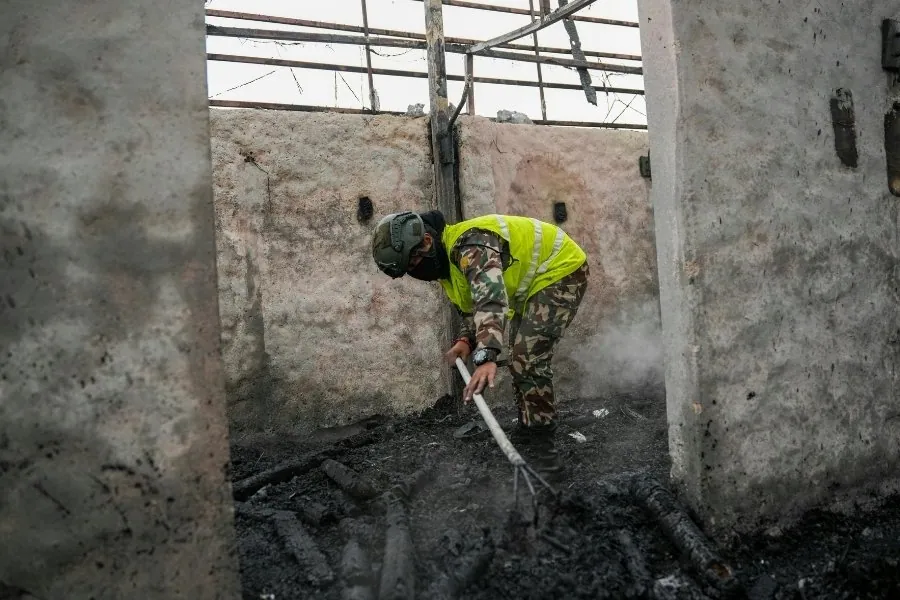
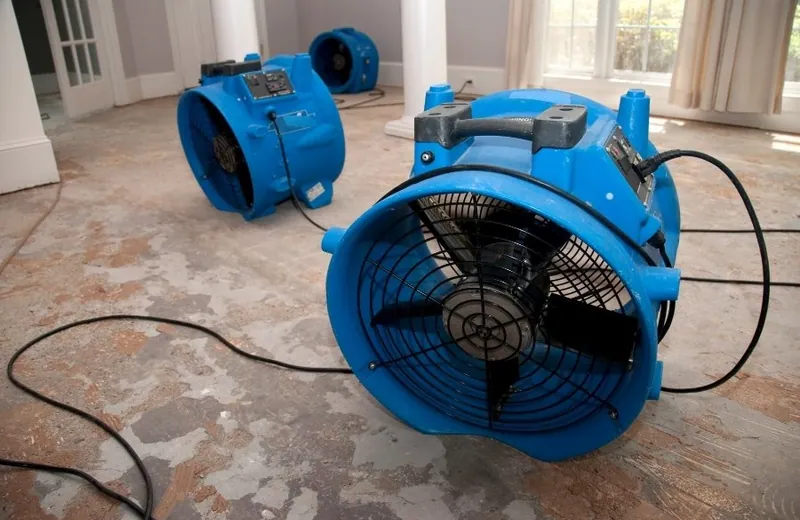
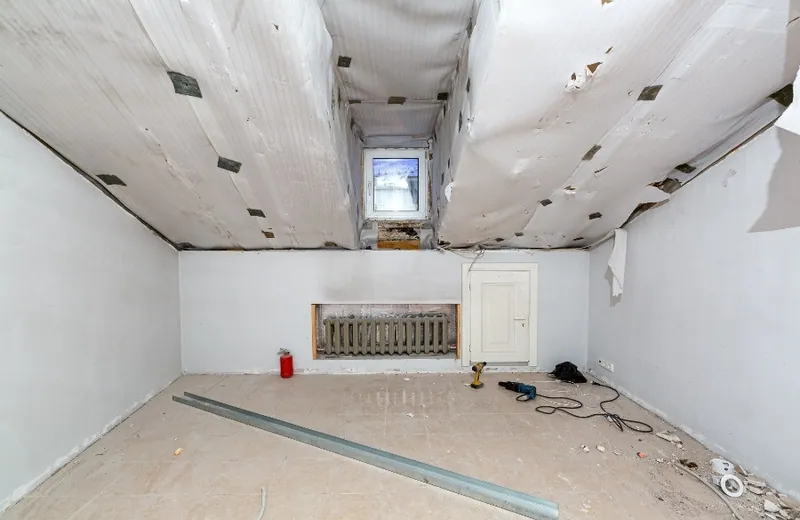
Fire Damage Restoration FAQs for Oklahoma City Homeowners
Will my insurance pay for fire damage restoration, and do you bill them directly?
Yes, in most cases. Standard Oklahoma homeowners and commercial policies cover sudden, accidental fire and smoke damage, including water damage from firefighting. We bill your insurance company directly, so you're generally responsible only for your deductible and anything your policy excludes. We document the loss with photos, moisture readings and an itemized estimate, then meet your adjuster on site. Oklahoma law also lets you choose your own restoration contractor. If you've hired a licensed public adjuster, we'll work alongside them. If there's a gap in coverage, financing is available.
How quickly can you get to my Oklahoma City property after a fire?
We answer 24/7, and we dispatch a crew as soon as you call. Once OKCFD or your suburban fire department releases the scene, we can start boarding up, tarping and extracting water right away. Speed matters here. In Oklahoma's humidity, mold can start growing in soaked drywall and insulation within 24–48 hours, and acidic soot can permanently etch fixtures and electronics within days. After large grass fires near Choctaw, Piedmont or Midwest City, demand for crews spikes, so calling early helps you get scheduled sooner.
How long does fire damage restoration take?
It depends on the scope. Light smoke cleanup is often done in one to three days. Drying out firefighting water usually takes three to five days of monitored equipment. A kitchen fire with cleaning and a partial rebuild often runs four to eight weeks. Major structural fires can take several months, especially when there's asbestos testing, historic-district approvals or HOA review involved. Permit and inspection timelines vary between Oklahoma City and each suburb. We'll give you a realistic schedule after the assessment and keep you updated as it moves.
Do I need permits to repair fire damage in Oklahoma City?
Usually, yes. Oklahoma City's Development Services Department requires permits for structural repairs, reframing, and electrical, plumbing and mechanical work. Edmond, Moore, Midwest City, Del City, Nichols Hills and the other suburbs each run their own permitting and inspection offices. Those trades have to be licensed through the Construction Industries Board, and roofers must be registered. Homes in districts like Heritage Hills, Mesta Park or Paseo need a Certificate of Appropriateness for exterior changes. We handle permits and approvals as part of the project.
Is it safe to stay in my home after a fire?
Often, no, at least not right away. Soot particles, smoke residue and possibly disturbed asbestos or lead dust in older homes can be harmful to breathe, especially for kids, older adults and anyone with asthma. Fire-damaged wiring and weakened framing are also serious hazards. Don't turn on the power or HVAC until they've been inspected. Most policies include additional living expense coverage for temporary housing. We'll assess conditions with you and help you decide whether part of the home is usable or whether a short move makes more sense.
When should I call a professional instead of cleaning it myself?
Call a professional if firefighters used water, if there's soot beyond a small area, if you can smell smoke in other rooms or through the vents, or if the home was built before 1980. Wiping soot with household cleaners usually smears it and can set acidic residue permanently. Leftover moisture you can't see leads to mold within days. Even what looks like a minor kitchen fire in an open-plan home can contaminate the whole house. Calling early protects your health, your belongings and your insurance claim.
Can smoke odor really be removed, or will it come back?
It can be removed permanently, but only if the source is treated. Air fresheners and surface cleaning just cover it up, and the smell comes back on humid Oklahoma days or when the HVAC runs. We remove charred and saturated materials, clean the ductwork, seal affected framing, then neutralize what's left with thermal fogging, hydroxyl generators or ozone, depending on the residue and whether the home is occupied. This matters especially after wildfire smoke infiltration and in duplexes or apartments where smoke moved between units.
How can I lower the risk of a house fire in Oklahoma City?
Focus on the main local causes. Never leave cooking unattended. Clean dryer vents every year. Have older electrical panels like Federal Pacific or Zinsco evaluated by a licensed electrician. Get chimneys and older gas heaters inspected before winter cold snaps, and keep space heaters at least three feet from anything that can burn. On acreage in Choctaw, Piedmont or northeast OKC, clear dry grass and cedar away from structures, and follow county burn bans during Red Flag days. Test smoke detectors monthly and keep an extinguisher near the kitchen.
Serving Oklahoma City, OK & Nearby
Had a Fire? Call Now and Stop the Damage Today
Every hour counts. Firefighting water is soaking in, soot is eating into surfaces, and Oklahoma's humidity is running the mold clock. One call gets a local crew on the way, and we deal with your insurance company directly.
- ✓24/7 emergency response, including nights, weekends and holidays
- ✓Board-up, roof tarping and water extraction to stop secondary damage
- ✓Direct insurance billing and on-site adjuster coordination
- ✓One local team from emergency response to final rebuild
- ✓Bonded and insured for your protection
- ✓Itemized, transparent estimates
- ✓Financing available for deductibles and uncovered costs
⚡ If the fire is still burning or anyone is in danger, call 911 first. Once the fire department releases your property, call us and we'll start right away.
Bonded • Insured